Uncategorized Archive

Mental Health and Meditation: A Path to Inner Peace and Well-Being

In today’s stressful world, maintaining mental health is more important than ever. One powerful and accessible tool to support emotional balance, reduce anxiety, and boost overall well-being is meditation. This ancient practice has gained widespread recognition for its scientifically proven benefits on mental health.
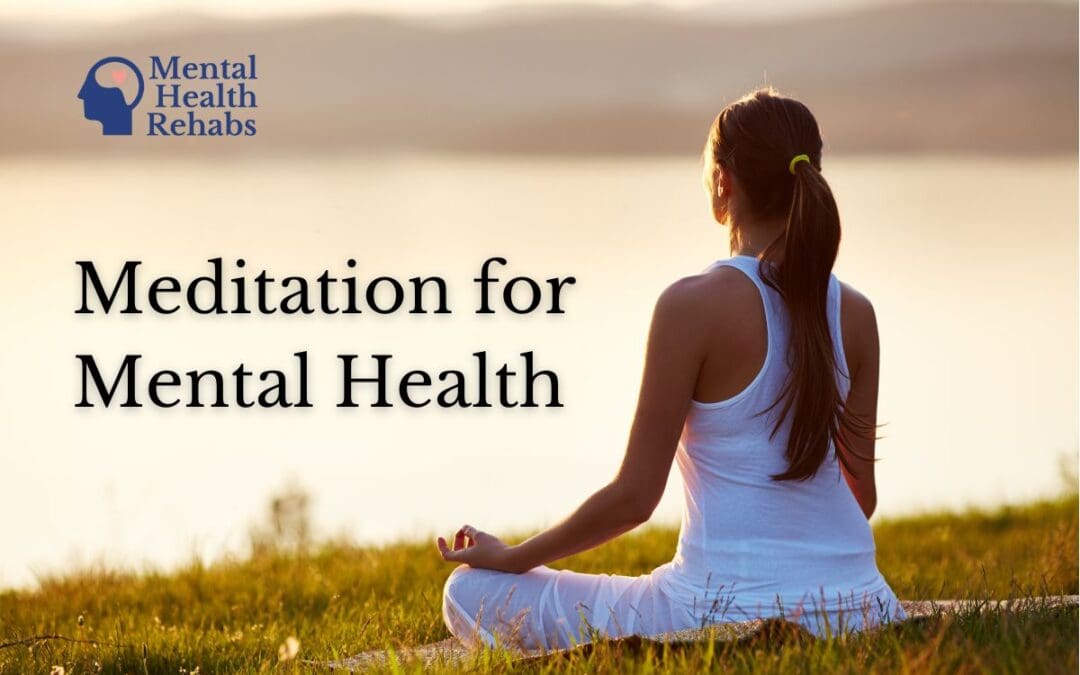
What Is Meditation?
Meditation is a mind-body practice that involves focusing your attention, calming your mind, and achieving a state of relaxed awareness. It can take many forms, such as guided meditation, mindfulness meditation, loving-kindness meditation, or breath awareness.

Unlike simply relaxing, meditation actively trains the brain to respond differently to stress and negative thoughts, helping cultivate resilience and clarity.

How Meditation Benefits Mental Health
1. Reduces Stress and Anxiety
Meditation helps lower the levels of cortisol, the hormone responsible for stress. Regular practice teaches your mind to detach from anxious thoughts and focus on the present moment, which calms the nervous system.

2. Improves Emotional Health
Meditation encourages a positive outlook by promoting self-awareness and emotional regulation. It can reduce symptoms of depression and increase feelings of happiness and compassion.

3. Enhances Concentration and Attention
Practicing meditation sharpens focus and mental clarity, improving productivity and memory retention.

4. Supports Better Sleep
By calming the mind and relaxing the body, meditation can help people fall asleep faster and enjoy deeper, more restorative rest.

5. Increases Self-Awareness
Mindfulness meditation helps you become more aware of your thoughts and feelings without judgment, fostering greater self-understanding and healthier responses to life’s challenges.

Popular Meditation Techniques
1. Mindfulness Meditation
Focus on your breath or bodily sensations while calmly acknowledging thoughts or feelings as they arise. The goal is not to eliminate thoughts but to observe them without attachment.

2. Guided Meditation
A teacher or app leads you through a meditation session, often with visualizations or instructions to relax various parts of the body.

3. Loving-Kindness (Metta) Meditation
Focus on cultivating compassion and kindness toward yourself and others by silently repeating phrases like “May I be happy, may I be healthy.”

4. Transcendental Meditation
Involves silently repeating a mantra to help the mind settle into a deep state of restful awareness.

How to Start Meditating: Tips for Beginners
Set Aside Time
Start with just 5–10 minutes a day. Consistency is more important than duration.

Find a Quiet Space
Choose a comfortable and distraction-free environment.

Sit Comfortably
You don’t have to sit cross-legged; any comfortable seated position works.

Focus on Breath or Guided Audio
If your mind wanders, gently bring your focus back to your breath or the guide’s voice.

Be Patient
It’s normal to feel restless or distracted at first. Meditation is a skill developed over time.

Using Apps to Support Meditation Practice
Many apps make meditation accessible with guided sessions and tracking tools. Popular choices include:

Headspace: User-friendly with courses on stress, sleep, and focus.

Calm: Offers guided meditations, sleep stories, and breathing exercises.

Insight Timer: Large library of free meditations and music tracks.

Smiling Mind: Designed for all ages, including kids and teens.

Meditation and Professional Mental Health Care
While meditation can significantly improve mental health, it is not a substitute for professional therapy or medication when needed. For people experiencing severe anxiety, depression, or other mental illnesses, meditation should be part of a comprehensive treatment plan.

The Science Behind Meditation
Studies show that regular meditation can change brain structure, increasing grey matter in areas linked to learning, memory, and emotional regulation. It also lowers activity in the amygdala, the brain’s fear center, helping reduce stress responses.

Incorporating Meditation Into Daily Life
Morning Routine: Start your day grounded and focused.

Work Breaks: Use brief meditation to reset during busy days.

Before Sleep: Meditate to unwind and improve sleep quality.

Mindful Walking: Combine gentle movement with meditative awareness.

Journaling: Reflect on your meditation experiences and emotions.

Final Thoughts
Meditation offers a simple yet powerful tool to enhance mental health and bring calm to the chaos of modern life. By committing a few minutes daily to this practice, you can cultivate resilience, emotional balance, and a deeper connection to yourself and others.

Start small, stay consistent, and experience the transformative effects of meditation on your mental well-being.
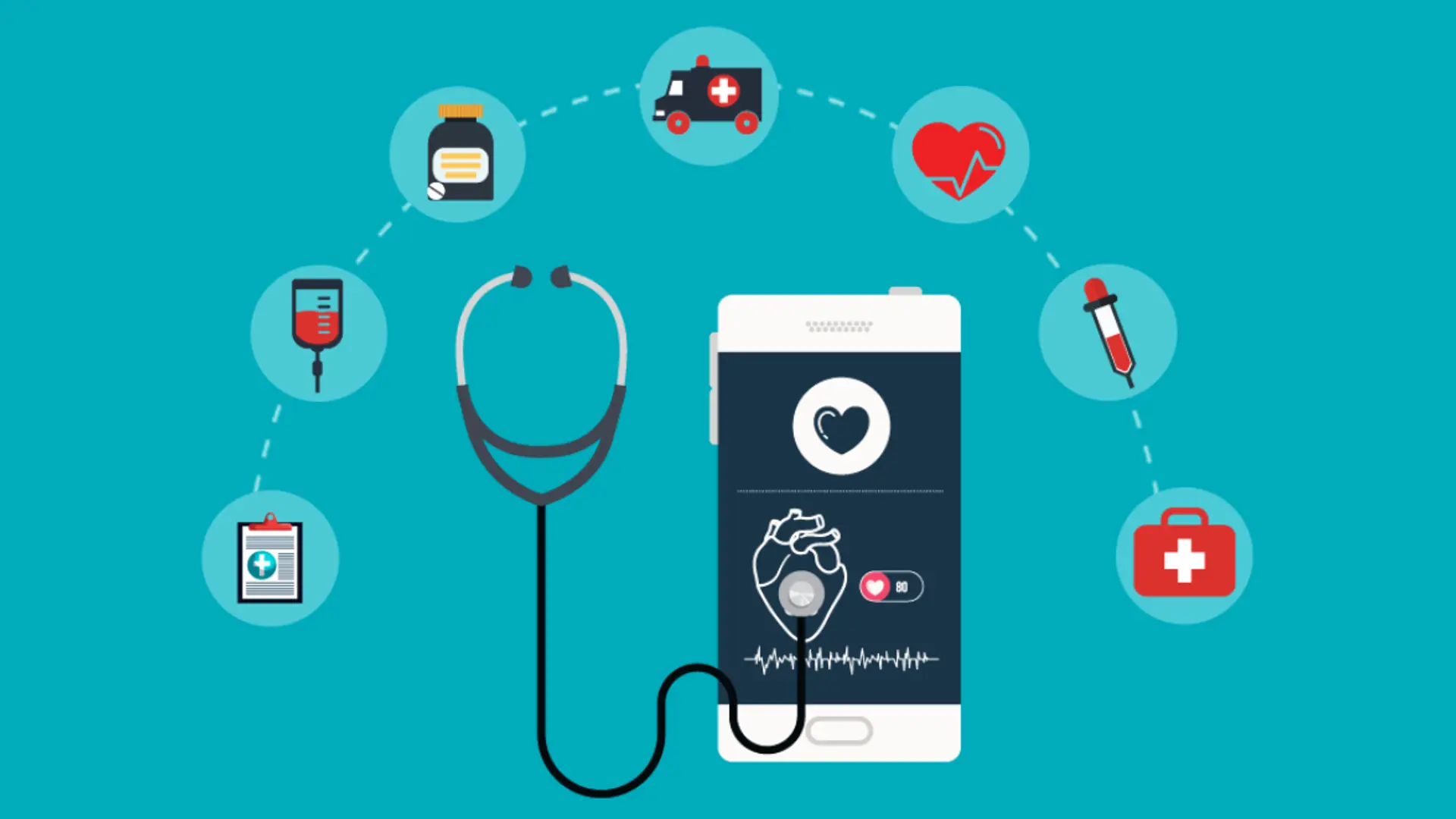
Health Apps: Transforming Personal Wellness in the Digital Age

In recent years, health apps have revolutionized the way we manage our physical and mental well-being. Accessible anytime on your smartphone, these apps empower users to take control of their health by tracking activities, monitoring vital signs, managing medications, and even connecting with healthcare professionals.

Why Health Apps Matter
With rising healthcare costs and increasing awareness about preventive care, health apps offer an affordable, convenient, and personalized approach to wellness. Whether you want to lose weight, improve sleep, manage a chronic condition, or simply stay motivated to exercise, there’s an app for almost every health goal.

Popular Types of Health Apps
1. Fitness and Activity Trackers
These apps count steps, track workouts, monitor calories burned, and analyze activity patterns. Popular examples include MyFitnessPal, Strava, and Google Fit. Many integrate with wearable devices like Fitbit and Apple Watch to provide real-time data.

2. Nutrition and Diet Apps
Apps like Lose It! and Yazio help users log meals, calculate macronutrients, and plan balanced diets. They can suggest healthy recipes and even scan barcodes for nutritional info on packaged foods.

3. Mental Health and Meditation
Apps such as Headspace, Calm, and Moodpath support mental wellness through guided meditation, stress reduction techniques, and mood tracking.

4. Sleep Trackers
Apps like Sleep Cycle monitor sleep patterns using your phone’s sensors and offer personalized tips for better rest.

5. Chronic Disease Management
Specialized apps help patients manage conditions like diabetes (e.g., Glooko), hypertension, or asthma by tracking symptoms, medication schedules, and vital signs.

6. Medication Reminders
Apps like Medisafe alert users to take medications on time and track adherence, which is vital for chronic illness management.

7. Telemedicine Apps
Platforms such as Teladoc and Amwell allow virtual consultations with doctors, making healthcare accessible without leaving home.

Benefits of Using Health Apps
Convenience: Track and manage health anywhere, anytime.

Personalization: Apps tailor advice based on your inputs and goals.

Data-Driven: Access to historical data helps spot trends and triggers.

Motivation: Notifications, goals, and progress reports encourage healthy habits.

Accessibility: Bridges gaps for people in remote areas or with limited healthcare access.

Cost-Effectiveness: Many apps are free or low-cost compared to traditional services.

How to Choose the Right Health App
With thousands of apps available, finding one that suits you can be overwhelming. Here are some tips:

Define Your Goal
Are you focusing on fitness, diet, mental health, or managing a condition? Narrowing your focus helps.

Check Credibility
Look for apps developed with healthcare professionals and evidence-based approaches.

Read Reviews
User feedback can reveal usability, accuracy, and support quality.

Privacy and Security
Choose apps that clearly state how they protect your data. Avoid apps that share sensitive info without consent.

Compatibility
Ensure the app works on your device and integrates with wearables if needed.

Ease of Use
A simple interface makes consistent use more likely.

Tips for Maximizing Benefits from Health Apps
Be Consistent: Regular use improves accuracy and effectiveness.

Set Realistic Goals: Avoid overwhelm by breaking goals into manageable steps.

Combine with Professional Care: Use apps as a supplement, not a replacement, for healthcare.

Update Regularly: Keep the app and your device updated for security and new features.

Engage Socially: Many apps have communities or challenges to boost motivation.

Challenges and Considerations
Despite their many advantages, health apps have some limitations:

Accuracy: Not all apps provide clinically validated data.

Over-Reliance: Self-tracking might cause anxiety or obsession in some users.

Digital Divide: Not everyone has access to smartphones or stable internet.

Data Privacy Risks: Sensitive health info needs robust protection.

The Future of Health Apps
The integration of AI (Artificial Intelligence), machine learning, and wearables is making health apps smarter and more personalized. Future apps may predict health risks before symptoms appear, offer virtual health coaching, and seamlessly sync with electronic health records (EHRs) to provide comprehensive care.

When and How Often Should You Get a Checkup?

There’s no one-size-fits-all schedule. The frequency of checkups depends on:

Age: Adults under 40 may need a checkup every 1–3 years, while those over 40 should visit annually.

Risk Factors: Family history of diseases, lifestyle habits, or existing conditions require more frequent visits.

Gender-Specific Screenings: Women may need regular pap smears and mammograms, while men might need prostate checks.

Consult with your doctor to determine a schedule tailored to you.

???? Common Types of Health Screenings
Here are a few common screenings based on age and gender:

Age Group Recommended Screenings
20s–30s Blood pressure, cholesterol, BMI, STI testing
40s Diabetes, mammogram (women), prostate exam (men)
50s+ Colonoscopy, bone density, hearing tests, eye exams

???? Modern Technology in Health Checkups
Today’s checkups can be enhanced by digital tools:

Telehealth: Virtual appointments for initial consultations and follow-ups.

Health Apps: Track your vitals, activity, and medication reminders.

Wearables: Devices like smartwatches monitor heart rate, sleep, and oxygen levels in real time.

These innovations make it easier than ever to stay informed and proactive.

????‍⚕️ How to Prepare for a Health Checkup
To make the most of your visit:

Bring your medical history and list of medications.

Note symptoms or concerns to discuss.

Avoid heavy meals or caffeine if fasting is required.

Wear loose, comfortable clothing.

Be open and honest with your doctor. It helps them provide the best care possible.

❗ Barriers to Health Checkups – and How to Overcome Them
Many people avoid checkups due to:

Fear of results

Busy schedules

Lack of symptoms

Financial concerns

Solution: Focus on the long-term benefits. Consider using workplace wellness programs, community health fairs, or local clinics that offer low-cost services.

???? Conclusion: Prevention is Better Than Cure
Regular health checkups are more than just a medical formality—they’re a powerful tool in preserving your health, preventing disease, and living a longer, more vibrant life. Just like your car needs routine maintenance to run well, your body does too. Don’t wait for a crisis. Schedule your checkup and take a proactive step toward a healthier future.